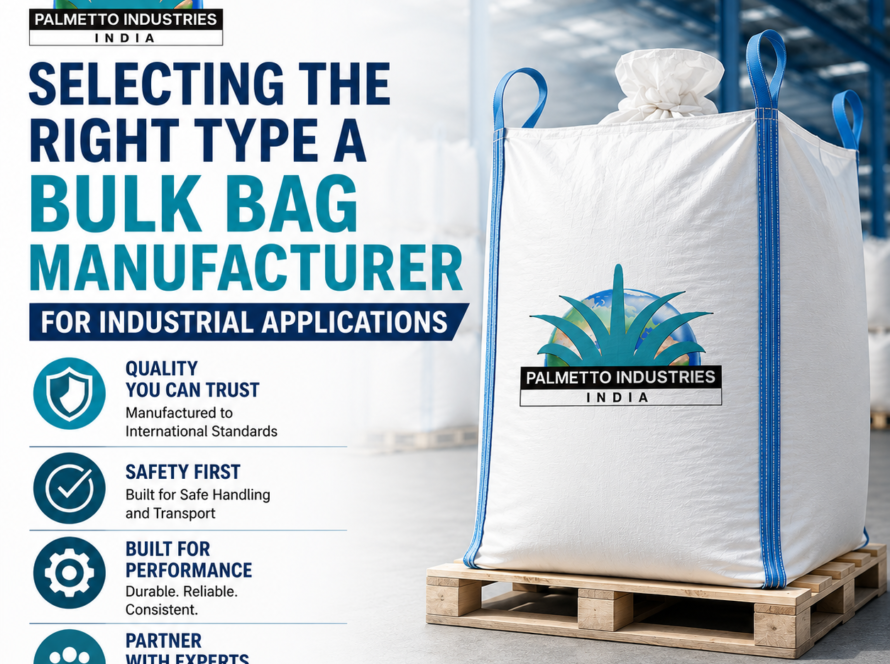
In industries that handle large volumes of raw materials, packaging is more than just a containment solution, it directly impacts operational efficiency, product safety, transportation costs, and supply chain performance. Whether transporting minerals from a mining site, storing agricultural commodities, or shipping industrial powders across continents, businesses require packaging that can withstand demanding handling conditions without failure.
This is where Type A FIBC Bulk Bags have become the preferred choice for heavy-duty bulk material handling.
For procurement managers, warehouse operators, supply chain professionals, and industrial manufacturers, selecting the right bulk packaging solution can significantly reduce operational costs while improving safety and productivity.
Why Are Type A FIBC Bulk Bags Ideal for Heavy-Duty Applications?
The answer is straightforward: Type A FIBC Bulk Bags combine strength, durability, scalability, and cost-efficiency for handling large quantities of non-flammable materials.
Unlike conventional sacks or smaller packaging formats, these heavy-duty bulk bags are engineered to transport loads ranging from 500 kg to 2,000 kg and can be manufactured with safety factors up to 8:1, making them suitable for demanding industrial applications.
Their durable construction helps businesses address common challenges such as:
- Bags tearing under heavy loads
- Product spillage during transportation
- High packaging replacement costs
- Inefficient warehouse utilization
- Excessive logistics expenses
- Inconsistent packaging quality
For industries moving tons of material daily, reliable bulk material handling solutions can directly impact profitability.
What Are Type A FIBC Bulk Bags?
Type A FIBC Bulk Bags are Flexible Intermediate Bulk Containers manufactured from plain woven polypropylene fabric.
These bags provide no electrostatic protection and are specifically designed for storing and transporting dry, non-flammable bulk materials in non-hazardous environments.
i) Understanding Type A FIBC Construction
These FIBC bags are typically manufactured using:
- 100% virgin polypropylene fabric
- Reinforced lifting loops
- High-strength stitching
- UV-stabilized materials
- Customizable liners and discharge systems
Construction options include:
- U-Panel Bags
- Circular Bags
- 4-Panel Bags
- Baffle Bags
- Net Baffle Bags
Each design is engineered for specific storage, transportation, and stacking requirements.
ii) Safe Operating Environment
Type A bulk bags should only be used for:
- Non-flammable products
- Non-hazardous industrial environments
- Dry flowable materials
They should never be used in environments containing:
- Flammable gases
- Combustible dust
- Solvents
- Explosive atmospheres
In such situations, Type B, Type C, or Type D FIBCs are required.
Key Features of Type A FIBC Bulk Bags
i) High Tensile Strength Fabric
One of the primary reasons industries prefer Type A FIBC Bulk Bags is their exceptional strength.
Manufactured using 100% virgin woven polypropylene, these bags maintain structural integrity even when carrying dense materials such as minerals, aggregates, and construction products.
ii) Excellent Load-Bearing Capacity
Most type a FIBC industrial bulk bags in india are designed with Safe Working Loads (SWL) ranging from 500 kg to 2,000 kg, enabling businesses to move larger quantities with fewer packaging units.
iii) UV Resistance for Outdoor Storage
For industries storing materials outdoors, UV-stabilized fabrics help extend bag life and maintain performance during prolonged exposure to sunlight.
iv) Reinforced Lifting Loops
Four heavy-duty lifting loops enable safe forklift and crane handling, reducing manual labor requirements and improving workplace productivity.
v) Optional Protective Liners
Advanced liner options, including PE liners and multi-layer barrier films, help protect moisture-sensitive materials during transportation and storage.
vi) Stackable Design
Many industrial bulk bags are engineered to retain shape and maximize stacking stability, helping warehouses optimize storage density and reduce space costs.
Understanding Load Capacity and Heavy-Duty Performance
Heavy-duty performance is determined by several critical factors:
| Feature | Type A FIBC Bulk Bags |
| Material | 100% Virgin Woven Polypropylene |
| Safe Working Load | 500–2,000 kg |
| Safety Factor | Up to 8:1 |
| Static Protection | None |
| Suitable Materials | Non-Flammable Bulk Products |
| Handling Method | Forklift & Crane Compatible |
| Customization | Extensive |
i) Safe Working Load (SWL)
SWL represents the maximum weight a bag can safely carry under normal operating conditions. Many jumbo bags are engineered to handle substantial loads without compromising safety.
ii) Safety Factor
A safety factor of up to 8:1 means the bag is tested to withstand significantly higher loads than its rated capacity, providing additional protection during handling and transportation.
iii) Reduced Product Loss
High-quality Type A FIBC Bulk Bags reduce the risk of seam failures, fabric tears, and load shifts, helping businesses prevent expensive material losses. This is especially important when transporting abrasive or heavy products over long distances.
Industries That Benefit from Type A FIBC Bulk Bags
i) Construction Industry
Construction companies rely heavily on heavy-duty bulk bags for transporting:
- Sand
- Cement
- Gravel
- Stone aggregates
- Construction debris
Their strength and durability make them ideal for rugged job site conditions.
- ii) Mining and Mineral Processing
Mining operations require packaging capable of handling abrasive and heavy materials. Common applications include:
- Limestone
- Bentonite
- Talc
- Gypsum
- Mineral sands
- Kaolin
Heavy-duty fabric options and reinforced seams help withstand demanding mining environments.
iii) Agriculture Industry
Agricultural businesses use Type A FIBC Bulk Bags for:
- Rice
- Wheat
- Corn
- Animal feed
- Seeds
- Fertilizers
The large storage capacity reduces handling frequency and transportation costs
iv) Plastics and Polymer Industry
Manufacturers commonly use woven polypropylene bulk bags for:
- Plastic pellets
- Polymer granules
- Plastic resins
- Industrial powders
These products require durable packaging that protects contents during transportation.
v) Chemical Industry
For non-flammable chemicals such as calcium carbonate, sodium sulphate, mineral pigments, and other non-reactive powders, Type A FIBC Bulk Bags provide an economical and reliable packaging solution.
vi) Food Processing Industry
Food processors use specially configured FIBC bags with liners for:
- Flour
- Sugar
- Salt
- Rice
- Dry ingredients
This improves bulk storage efficiency while maintaining product integrity.
Common Challenges Solved by Type A FIBC Bulk Bags
i) Preventing Bag Failure
Low-quality packaging often fails under heavy loads, causing operational delays and material loss. High-quality Type A FIBC Bulk Bags are engineered to withstand rigorous handling and transportation conditions.
Reducing Product Loss
Stronger fabrics, reinforced seams, and better construction help prevent spills, contamination, and wastage during shipping.
Lowering Packaging Costs
Compared to smaller packaging formats, type a bulk bags reduce labor requirements, packaging material consumption, and transportation costs.
Improving Warehouse Efficiency
Stackable designs help maximize vertical storage, improving warehouse space utilization and inventory management.
Streamlining Logistics
Larger load capacities mean fewer packaging units, faster loading times, and more efficient transportation operations.
Type A vs Other FIBC Types – Which One Should You Choose?
Choosing the correct FIBC classification is critical for safety and compliance.
| FIBC Type | Static Protection | Suitable Applications |
| Type A | None | Non-Flammable Materials |
| Type B | Limited Protection | Certain Flammable Powders |
| Type C | Conductive & Groundable | Hazardous Environments |
| Type D | Static Dissipative | Explosive Atmospheres |
When Type A Is the Right Choice
Choose Type A FIBC Bulk Bags when:
- Materials are non-flammable
- No explosive atmosphere exists
- Cost efficiency is a priority
- Heavy-duty load handling is required
When Other FIBC Types Are Needed
If your materials generate combustible dust or are used in hazardous environments, Type B, Type C, or Type D bags should be selected instead.
Customization Options for Industrial Bulk Bags
Every industry has unique packaging requirements. Leading type a FIBC bulk bags manufacturers provide extensive customization options.
i) Available Customizations
- Custom dimensions
- Different load capacities
- U-Panel, Circular, 4-Panel, and Baffle designs
- Coated or uncoated fabrics
- PE liners
- Barrier film liners
- Printing and branding
- UV protection
- Specialized filling and discharge systems
These customized industrial packaging solutions improve operational efficiency and product protection.
Why Manufacturer Quality Matters in Heavy-Duty Bulk Packaging
The performance of a bulk bag depends heavily on manufacturing quality. Reliable type a FIBC bulk bags manufacturers in india invest in:
- Premium raw materials
- Advanced weaving technology
- Strict quality control systems
- Product testing facilities
- International compliance standards
Critical quality tests include:
- Tensile strength testing
- Seam strength testing
- Top lift testing
- Drop testing
These procedures help ensure that every bag performs consistently under real-world operating conditions.
When sourcing from type a FIBC bulk bags manufacturers in Tamil Nadu, buyers should evaluate production capabilities, certifications, customization expertise, and export experience before making a purchasing decision.
Why Choose Palmetto Bags for Type A FIBC Bulk Bags?
At Palmetto Bags, we understand that reliable bulk packaging is critical to efficient material handling, product protection, and supply chain performance.
With extensive experience in manufacturing Type A FIBC Bulk Bags, we provide solutions designed to meet the demanding requirements of industries worldwide.
- Application-Focused Expertise – Solutions tailored to specific material handling and storage requirements.
- Consistent Manufacturing Quality – Strict quality controls ensure dependable bag performance and durability.
- Custom Engineering Support – Flexible customization options to suit unique operational needs.
- Global Supply Capability – Reliable export support and timely delivery for international customers.
As a trusted Type A FIBC bulk bags supplier in India and Type A FIBC bulk bags exporter in India, we combine manufacturing excellence, customization capabilities, and industry knowledge to deliver bulk packaging solutions that help businesses reduce product loss, improve operational efficiency, and optimize packaging costs.
Conclusion
For businesses handling large volumes of dry, non-flammable materials, Type A FIBC Bulk Bags remain one of the most dependable and economical packaging solutions available today.
Their high load capacity, exceptional durability, customizable designs, and cost-effectiveness make them the preferred choice for heavy-duty applications across construction, mining, agriculture, food processing, chemicals, and manufacturing industries.
When sourced from experienced Type A FIBC bulk bags manufacturers, these bags help reduce product loss, improve warehouse utilization, lower packaging expenses, and streamline supply chain operations.
Request a Custom Quote from Palmetto Bags
Need high-strength Type A FIBC Bulk Bags? Get customized solutions and a competitive quote from Palmetto Bags today.
FAQs
- What are Type A FIBC Bulk Bags used for?
Type A FIBC Bulk Bags are used for storing and transporting dry, non-flammable materials such as sand, minerals, fertilizers, grains, plastic pellets, and industrial powders. - What is the load capacity of Type A FIBC Bulk Bags?
Most bags are available with safe working loads ranging from 500 kg to 2,000 kg, depending on design specifications. - Are Type A FIBC bags suitable for hazardous environments?
No. Type A bags provide no electrostatic protection and should only be used in non-flammable environments. - Can Type A FIBC Bulk Bags be customized?
Yes. Manufacturers can customize dimensions, liners, fabric weights, lifting loops, discharge systems, and branding options. - How do Type A bags reduce logistics costs?
Their high-capacity design reduces packaging requirements, minimizes handling, and improves transportation efficiency, helping businesses lower overall logistics expenses. - Why choose Palmetto Bags as your Type A FIBC supplier?
Palmetto Bags offers advanced manufacturing capabilities, customization expertise, quality assurance testing, international compliance, and reliable export support for industrial buyers worldwide.