Food contamination remains a major concern for food manufacturers, processors, exporters, and distributors, as even a single incident can result in product recalls, shipment rejections, regulatory issues, and loss of customer confidence. To maintain product safety throughout storage and transportation, businesses increasingly rely on preventive packaging solutions.
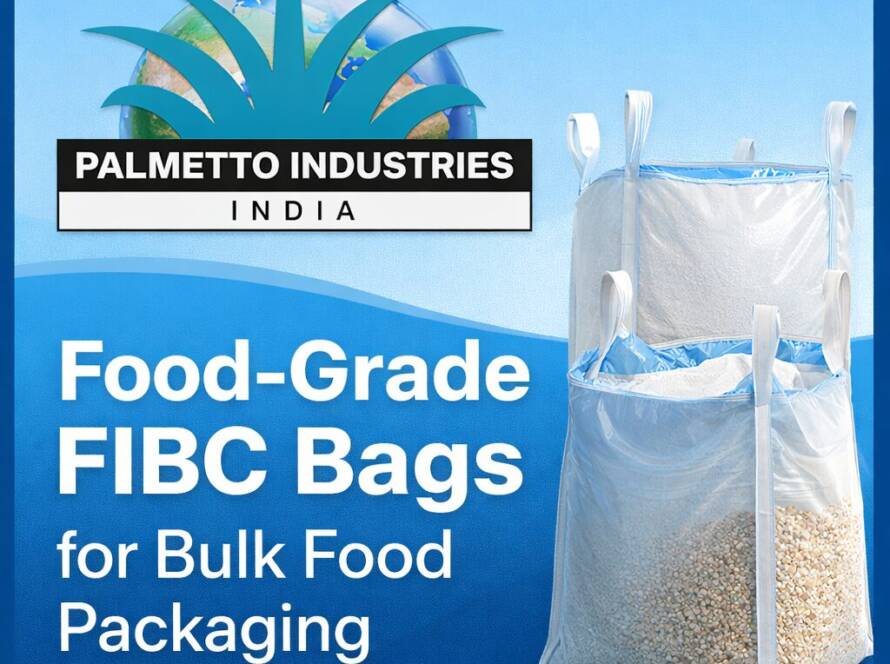
Food Grade Bags are specifically designed to protect bulk food products from moisture, dust, pests, and cross-contamination. Manufactured from 100% virgin food-safe polypropylene under hygienic conditions, food grade FIBC bags help preserve product quality while supporting food safety and compliance requirements.
How Do Food Grade Bags Reduce Contamination Risks?
Food Grade Bags reduce contamination risks by:
- Manufactured using food-safe raw materials to maintain product purity.
- Produced under hygienic and contamination-controlled conditions.
- Equipped with optional food-grade liners for added protection against moisture and contaminants.
- Undergo strict quality inspections to minimize dust, pests, foreign matter, and cross-contamination risks throughout the supply chain.
For industries handling grains, flour, sugar, starch, spices, coffee, cocoa, dairy powders, and food ingredients, investing in high-quality Food Grade Bags is an essential food safety strategy rather than simply a packaging decision.
Why Food Safety Starts with Bulk Packaging
Food products often travel through multiple stages before reaching consumers. During storage, warehousing, transportation, export shipping, and distribution, products are exposed to numerous contamination risks.
The Cost of Food Contamination
Contamination incidents can result in:
- Product recalls and disposal costs
- Shipment rejection by international buyers
- Regulatory compliance violations
- Reduced shelf life
- Customer complaints
- Loss of long-term contracts
- Brand reputation damage
For food exporters, contamination can have even greater consequences, as import regulations in many countries require strict adherence to food safety and packaging standards.
Industries Most Vulnerable to Contamination Risks
Several industries rely heavily on contamination-free bulk food packaging, including:
- Grains, Rice & Flour: Rice mills, grain processors, and flour manufacturers.
- Sugar, Spices & Dairy: Sugar producers, spice processors, and dairy ingredient suppliers.
- Coffee, Cocoa & Food Ingredients: Coffee, cocoa, and other food ingredient manufacturers and exporters.
- Agricultural Commodities: Exporters and distributors handling bulk agricultural products.
In these sectors, maintaining product purity is essential for both compliance and profitability.
What Are Food Grade Bags?
Food Grade Bags are specialized Flexible Intermediate Bulk Containers (FIBCs) designed for the safe storage and transportation of food products. Unlike standard industrial bags, these bags are manufactured using food-safe materials and controlled production processes that minimize contamination risks.
Understanding Food Grade FIBC Bags
Food grade FIBC bags are engineered to meet strict food safety requirements and are commonly used for transporting:
- Rice
- Wheat
- Corn
- Flour
- Sugar
- Salt
- Starch
- Spices
- Coffee beans
- Cocoa products
- Dairy powders
- Food additives
These bags are typically manufactured using 100% virgin polypropylene with no recycled content, ensuring purity and consistency throughout the packaging process.
Key Characteristics of Food Grade FIBC Bulk Bags
High-quality food grade FIBC bulk bags generally feature:
- Virgin food-safe polypropylene construction
- Hygienic manufacturing conditions
- Traceability systems
- Controlled quality inspections
- Moisture protection options
- Food-grade liners
- Compliance with food safety standards
These characteristics make them ideal for industrial food packaging applications.
What Causes Food Product Contamination During Storage and Transportation?
Understanding contamination sources is the first step toward prevention.
i) Dust and Airborne Particles
Warehouses, ports, and transportation facilities often contain airborne dust and foreign particles. Improper packaging can allow contaminants to enter the product during storage or transit.
ii) Moisture and Condensation
Moisture is one of the biggest threats to food quality. Excess humidity can cause:
- Flour clumping
- Sugar caking
- Spice degradation
- Mold growth
- Reduced shelf life
iii) Pest Infestation
Improperly protected packaging may attract insects, rodents, and other pests, leading to contamination and product loss.
iv) Cross-Contamination
Food products can become contaminated when packaging materials are exposed to chemicals, industrial dust, or residues from previous production batches.
v) Human Handling Errors
Poor handling practices during filling, transportation, or unloading can introduce contaminants if packaging lacks adequate protective features.
vi) Packaging Material Contamination
One of the most overlooked risks comes from the packaging itself. Bags manufactured using recycled or mixed materials may introduce impurities that compromise food safety. This is why reputable food grade FIBC bags manufacturers in india prioritize virgin polypropylene and dedicated food-grade production systems.
How Food Grade Bags Reduce Contamination Risks
Using Virgin Polypropylene Materials
The foundation of contamination prevention begins with raw material selection. Premium Food Grade Bags are manufactured using 100% virgin polypropylene rather than recycled materials. Virgin resin provides:
- Consistent quality
- Improved purity
- Better structural integrity
- Reduced contamination risk
Because virgin polypropylene has not been previously processed or exposed to external contaminants, it is widely recognized as the preferred material for food-contact packaging applications.
Hygienic Manufacturing Practices
Packaging safety depends heavily on manufacturing conditions. Leading food grade FIBC bags suppliers operate under strict hygiene protocols that include:
- Controlled production environments
- Clean manufacturing zones
- Employee hygiene procedures
- Equipment sanitation protocols
- Quality inspection checkpoints
These measures significantly reduce the likelihood of contamination during production.
Food Grade Liners for Additional Protection
Many food grade FIBC jumbo bags incorporate optional PE liners or multi-layer barrier liners. These liners help:
- Prevent moisture ingress
- Protect against dust contamination
- Improve product freshness
- Create an additional barrier between product and environment
Advanced coextruded barrier liners can offer multiple layers of protection for highly sensitive food products.
Protection Against Dusts
Food products can be exposed to airborne contaminants throughout transportation and warehousing. Properly designed food safe bulk bags include secure filling and discharge systems that reduce product exposure during handling.
This protection is particularly valuable for powdered products such as flour, starch, sugar, cocoa powder, and dairy ingredients.
Reduced Cross-Contamination Risks
Dedicated food-grade production minimizes exposure to contaminants that may be present in industrial packaging environments.
Reliable food grade FIBC bags bulk suppliers implement quality control systems that separate food-grade manufacturing from other industrial packaging operations. This segregation helps maintain packaging purity and consistency across production batches.
Enhanced Protection During Export Logistics
Food products often travel thousands of kilometers through multiple transportation stages. High-quality food grade FIBC bulk bags protect products from:
- Environmental exposure
- Handling damage
- Moisture fluctuations
- Warehouse contamination
For exporters, this additional protection helps maintain product quality until final delivery.
Food Grade Bags vs Standard Bulk Bags
| Feature | Food Grade Bags | Standard Bulk Bags |
| Virgin Polypropylene | Yes | Not Always |
| Food Safety Focus | Yes | Limited |
| Hygienic Manufacturing | Yes | Varies |
| Food Grade Liners | Available | Optional |
| Traceability | Yes | Limited |
| Food Contact Applications | Suitable | Often Not Recommended |
| Compliance Documentation | Available | May Be Limited |
The difference becomes particularly important when packaging products intended for human consumption.
Which Industries Benefit Most from Food Grade FIBC Bags?
-
Grain and Rice Processing
Rice mills and grain exporters rely on Food Grade Bags to maintain cleanliness and prevent contamination during bulk storage and export.
-
Flour Milling
Flour is highly susceptible to moisture absorption and contamination. Food grade FIBC bags provide a reliable packaging solution that helps preserve product quality.
-
Sugar Manufacturing
Sugar producers use food grade FIBC jumbo bags to reduce moisture exposure and maintain free-flowing product characteristics.
-
Spice Processing and Export
Spices require contamination-free handling due to their direct food applications and export regulations.
-
Dairy Powders and Ingredients
Dairy ingredients demand hygienic bulk packaging that protects against foreign matter and environmental contamination.
-
Coffee and Cocoa Products
Coffee beans and cocoa products benefit from moisture-resistant packaging solutions that preserve quality during transportation.
-
Food Ingredient Manufacturing
Ingredient suppliers increasingly rely on food grade FIBC bags bulk suppliers in india for large-scale, hygienic bulk packaging requirements.
Why Certifications Matter in Food Packaging
Food packaging should not only protect products but also demonstrate compliance with recognized food safety standards.
i) FDA-Compliant FIBC Bags
FDA compliant FIBC bags are manufactured using materials suitable for food-contact applications, helping businesses meet food safety requirements.
ii) HACCP-Oriented Manufacturing
HACCP principles focus on identifying and controlling potential contamination hazards throughout manufacturing.
HACCP certified bulk bags provide additional confidence for procurement and quality assurance teams.
iii) ISO 22000 Food Safety Management
ISO 22000 certification demonstrates that food safety management systems are implemented and maintained throughout manufacturing operations.
This level of control is especially valuable for companies supplying international food markets.
iv) Traceability and Documentation
Comprehensive documentation supports:
- Product traceability
- Quality audits
- Regulatory inspections
- Export compliance
These capabilities are increasingly important for modern food supply chains.
What Customization Options Are Available for Food Grade Bags?
Every food product has unique packaging requirements.
Food Grade Liners
Options include:
- PE liners
- Barrier liners
- Multi-layer coextruded liners
Filling and Discharge Configurations
Available options include:
- Open top
- Spout top
- Duffle top
- Flat bottom
- Discharge spout bottom
Printing and Product Identification
Custom printing helps improve:
- Product identification
- Brand visibility
- Inventory management
- Traceability
Construction Types
Depending on the application, food grade FIBC bulk bags can be manufactured in:
- U-Panel
- Circular
- Four-Panel
- Baffle designs
Customized Dimensions and Capacities
Bag dimensions, safe working loads, and lifting configurations can be tailored to specific operational requirements.
How to Choose the Right Food Grade FIBC Bags Manufacturer
Not all suppliers offer the same level of quality assurance. When evaluating food grade FIBC bags manufacturers in india, consider:
-
Verify Certifications
Look for ISO 22000, HACCP, and relevant food safety certifications.
-
Assess Manufacturing Controls
Ensure the manufacturer follows hygienic production practices.
-
Review Material Quality
Confirm the use of 100% virgin polypropylene.
-
Evaluate Customization Capabilities
The supplier should be able to meet application-specific requirements.
-
Check Export Experience
Global food shipments require compliance with international packaging expectations.
-
Ensure Supply Consistency
Reliable production capacity minimizes operational disruptions.
Why Businesses Choose Palmetto Bags for Food Grade Packaging Solutions
For businesses sourcing reliable Food Grade Bags, the manufacturer’s material quality, hygiene controls, certifications, and production capabilities should be carefully evaluated. Palmetto Bags positions itself as a trusted manufacturer of food grade FIBC bags, supporting food processing, agriculture, and industrial applications with customized bulk packaging solutions.
According to Palmetto Bags, Our food-grade packaging solutions are manufactured using 100% virgin polypropylene and produced under ISO 22000 and HACCP-certified systems, helping maintain hygiene, consistency, and food safety requirements.
Key strengths highlighted by Palmetto Bags include:
- 100% virgin polypropylene for food-grade applications.
- ISO 22000 and HACCP-certified production systems for controlled manufacturing.
- Customized FIBC designs to suit different food products and handling requirements.
- Export-oriented manufacturing capabilities for consistent bulk supply.
With vertically integrated production, customization expertise, and experience serving international markets, we state by ourselves that it provides food-grade bulk packaging solutions tailored to specific product, handling, and supply-chain requirements.
Final Thoughts
Food safety begins long before products reach consumers. Packaging plays a critical role in protecting food commodities from contamination risks that can compromise quality, compliance, and profitability.
By utilizing virgin polypropylene materials, hygienic manufacturing practices, food-grade liners, and rigorous quality controls, Food Grade Bags help prevent contamination from dust, moisture, pests, and cross-contact throughout the supply chain.
For food manufacturers, exporters, processors, and procurement professionals, partnering with experienced food grade FIBC bags suppliers is a strategic investment in product quality, regulatory compliance, and customer trust.
Protect your food products with trusted Food Grade Bags. Talk to Palmetto Bags for a tailored solution.
FAQs
- What are Food Grade Bags used for?
Food Grade Bags are used for storing and transporting bulk food products such as grains, flour, sugar, spices, starch, dairy powders, coffee, cocoa, and food ingredients while maintaining hygiene and product quality. - How do food grade FIBC bags prevent contamination?
They prevent contamination through virgin polypropylene construction, hygienic manufacturing processes, food-grade liners, controlled production environments, and strict quality inspections. - Are food grade FIBC bulk bags suitable for exports?
Yes. High-quality food grade FIBC bulk bags are widely used for international food shipments because they help protect products during long-distance transportation and support food safety compliance. - What materials are used in Food Grade Bags?
Most Food Grade Bags are manufactured using 100% virgin food-safe polypropylene and may include PE liners or barrier liners for additional protection. - Do all food products require liners inside FIBC bags?
Not always. However, moisture-sensitive and contamination-sensitive products often benefit from PE liners or multi-layer barrier liners for enhanced protection. - How do I choose reliable food grade FIBC bags bulk suppliers in india?
Look for manufacturers with ISO 22000 and HACCP certifications, proven food packaging experience, quality assurance systems, customization capabilities, and a track record of consistent supply.